


Scratch-Free Cleaning Made Easy with Microfiber Bug Scrubber
Scratch-Free Cleaning Made Easy with Microfiber Bug Scrubber
You know that feeling when you walk up to your car after a long highway drive and the front bumper looks like a crime scene?
Happened to me last summer. Drove from Atlanta to Nashville, about four hours of interstate. Beautiful day, no traffic, windows down. I was having a great time. Until I pulled into my parents' driveway and saw the front of my car.
Hundreds of bug splatters. Dried on. Baked on by the sun. Some of them had been there for hours, basically turning into little protein-based cement patches on my paint.
I grabbed a sponge and started scrubbing. Hard. Too hard, as it turns out. The bugs came off. But so did some of my clear coat. I'd basically sanded the front of my car with bug guts and a cheap sponge. The paint looked dull. Hazy. Like I'd attacked it with steel wool.
My dad came out, took one look at what I was doing, and just shook his head. You're making it worse, he said. And he was right.

The Bug Problem Is Real
Here's the thing about bug splatters that nobody warns you about. They're not just gross they're actually corrosive. Bug guts are acidic. If you leave them on your paint for too long, they can actually eat into the clear coat. That's why you sometimes see little etched marks where bugs used to be, even after you've washed the car wash scrub .
But the solution isn't scrubbing harder. That's what I learned the hard way. Scrubbing harder just grinds the dried bug parts into your paint, creating micro-scratches that dull the finish. And using a regular sponge? Those things are basically dirt magnets. Every little piece of grit that's stuck in the sponge becomes sandpaper against your clear coat.
You need something that can loosen the bugs without you having to apply a ton of pressure. Something that lifts them off instead of grinding them in.
What Makes This Bug Scrubber Different
So after my dad's gentle but accurate criticism, I went looking for a better solution. Found the Microfiber Bug Scrubber Sponge Pack of Six from CarCarez car scrubber brush and figured I'd give it a shot.
The first thing you notice is the mesh. It's not a smooth sponge surface. It's got this durable nylon mesh wrapped around a soft inner sponge. The mesh is what does the work it's textured enough to grab onto dried bug residue and pull it loose, but it's not abrasive like a scouring pad or a stiff brush.
The inner sponge holds a ton of soapy water. When you wet it, the whole thing gets saturated. So when you're scrubbing, you're not just dragging dry mesh across your paint. You've got soap and water flowing through the mesh as you work, which helps lubricate the surface and lift the bugs away.
And because it's microfiber-based, it's safe on clear coats, paint, and glass. That's important because bugs don't just hit your bumper they hit your windshield, your mirrors, your grille. This thing works on all of it.
Step-by-Step: How I Remove Bugs Now
Here's the routine I've settled on. It takes a little patience but the results are worth it and my paint stays scratch-free.
Step one: Soak the bug scrubber black car cleaner in your wash bucket. Let it get fully saturated with soapy water. The sponge inside holds a lot of liquid, so give it a few seconds.
Step two: Spray the buggy areas with water first. You want to rehydrate those dried bug splatters before you start scrubbing. Let the water sit for a minute if you can.
Step three: Use light pressure. This was the hardest habit to break because my instinct was still scrub harder. But the mesh does the work. Gentle back-and-forth motions. Let the soap and the texture loosen the bugs.
Step four: Rinse frequently. I'll scrub a small section, then hose it off to see what's left. Bug guts often come off in layers. The first pass gets the big chunks. The second pass gets the residue.
Step five: For really stubborn spots, let the wet car scrubber sit on top of the bug for thirty seconds before you start. The soapy water needs time to penetrate.
Step six: Rinse everything thoroughly when you're done. Then wash that section normally with your wash mitt.
Where I Use These
The six-pack means I have dedicated black car cleaner scrubbers for different parts of the car.
Front bumper and grille. This is ground zero for bug attacks. The scrubber fits into the grille slots without damaging the plastic or the paint behind it.
Windshield. Bugs on glass are annoying because your wipers just smear them. This scrubber cleans glass without scratching, even on coated windshields.
Side mirrors. Those little housings collect bugs like crazy because they stick out into the airstream. The scrubber's size is perfect for these smaller areas.
Behind the wheels. Road tar and brake dust can be just as stubborn as bugs. The mesh handles that too.
The size is 3.5 by 6 inches, which is small enough to control but big enough to cover area efficiently. And the yellow color means I can spot it in my wash bucket easily no confusing it with my other sponges.

The Comparison Nobody Asks For
I've tried pretty much every bug removal method out there. Here's how they stack up.
Regular sponge with a scrubby side. The scrubby side is too aggressive. It'll scratch clear coat eventually. I learned this the painful way.
Pressure washer. Good for loose bugs but baked-on ones laugh at pressure. Plus you can get too close and damage paint.
Bug remover spray. These work okay but they're harsh. Some of them can stain trim or damage plastic if you're not careful.
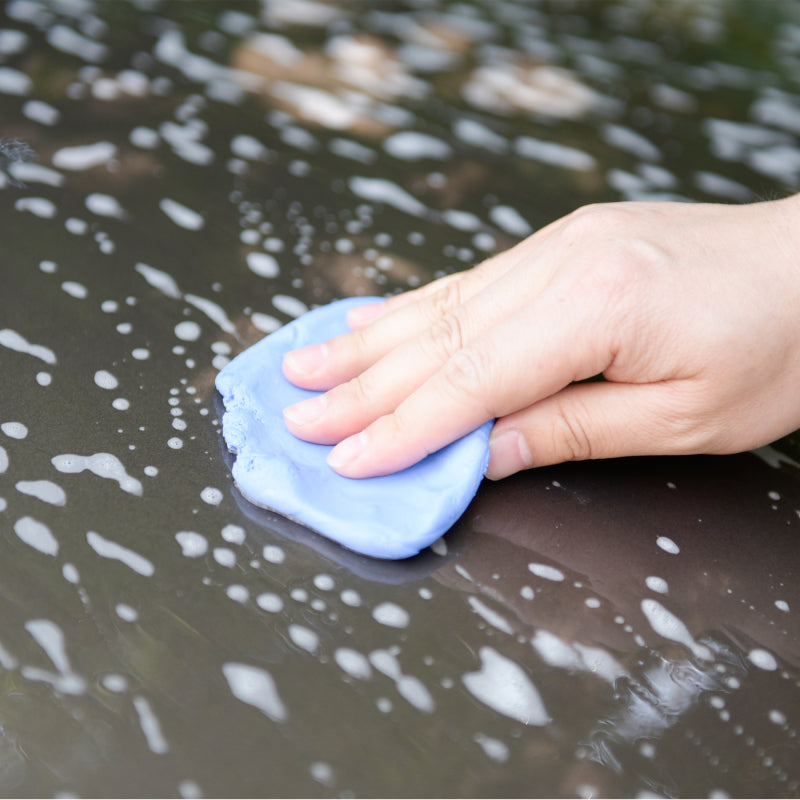
Clay bar. Great for embedded contaminants but way too slow for a whole front bumper full of bugs. And expensive to use for this.
The bug scrubber. Hits the sweet spot. Aggressive enough to remove dried bugs, gentle enough to not scratch, and cheap enough that you don't feel bad using it.
Keeping Them Clean
One thing I learned is that these car wash scrub need to be rinsed out thoroughly after each use. Bugs get trapped in the mesh. If you let them dry in there, you're just grinding old bug parts into your paint next time.
I rinse mine under hot water, squeeze out the sponge, and let them air dry. Every few washes I'll soak them in soapy water overnight. A six-pack means I can rotate through them and always have a clean one ready.
What I'd Tell Anyone With Bug Problems
Look, bugs are part of driving. You can't avoid them unless you never leave the city. But you don't have to accept that your front bumper has to look like a massacre scene or that removing them means damaging your paint.
The Microfiber Bug Scrubber Sponge changed how I think about bug removal. No more scrubbing like a maniac. No more watching my clear coat get duller every time I wash the car. Just gentle, effective cleaning that gets the bugs off and leaves the paint alone.
My dad hasn't said anything about my technique since I switched. That might be the highest praise I can give.


Leave a comment