


The Power of Microfiber: A Smarter Way to Clean Bugs and Dirt from Your Car
The Power of Microfiber: A Smarter Way to Clean Bugs and Dirt from Your Car
After a long drive, you finally park your car and take a look at the front. The bumper is dotted with dried bug stains. The windshield has cloudy smudges. The headlights don’t look as clear as they did this morning. It’s one of those small things that instantly ruins the feeling of a clean car.
Most people react the same way. They grab whatever is close to an old cloth, a kitchen sponge, maybe even a paper towel and start rubbing. The bugs come off, but something else happens quietly in the background. Tiny scratches form on the paint. The shine slowly fades. You may not notice it today, but after a few weeks, the damage shows under sunlight.

Bugs Are Small, but They Cause Big Problems
Bug splatter isn’t just dirt. When insects hit your car, they leave behind proteins and acidic residue. Under the sun, that residue hardens and sticks tightly to the surface. If it stays there too long, it can weaken the clear coat that protects your paint.
The real trouble starts when people try to remove those stains with force. Rubbing dry, using rough cloths, or pressing hard pushes tiny bits of dust and grit across the paint. That’s how swirl marks and dull patches begin.
This is why the front bumper, mirrors, and headlights often look older than the rest of the car. They don’t just collect more bugs, they get scrubbed harder too.
What Makes Microfiber Different?
Microfiber is made from extremely fine synthetic fibers. These fibers are split into tiny strands that can grab and hold dirt instead of dragging it across the surface.
A microfiber bug scrubber sponge is built specifically for this kind of mess:
● One side is soft and absorbs water and soap
● The textured side helps loosen dried bugs
● Dirt stays trapped in the fibers instead of scratching the paint
Unlike dish sponges, it doesn’t collapse into a gritty mess after one use. And unlike stiff brushes, it doesn’t dig into your clear coat.
The best way to describe it is simple:
It removes dirt without fighting your car’s surface.
Real Problems It Helps Solve
This tool isn’t about making your car look like a showroom model. It’s about avoiding common mistakes.
It helps with:
● Bug stains on bumpers and windshields
● Sticky residue near headlights
● Road dust mixed with grime
● Cleaning dark paint without swirl marks
Instead of scrubbing harder, you let moisture and fiber do the work. The sponge softens the stain and lifts it away.
Drivers who switch to microfiber tools often notice something small but important washing feels easier. You’re no longer worried about scratching the paint every time you wipe.
How to Use a Microfiber Bug Scrubber Sponge Properly
Using it correctly is what keeps it safe.
Step 1: Rinse First
Always rinse the area with water to remove loose dirt and sand.
Step 2: Wet the Sponge
Never use it dry. Use clean water or mild car shampoo.
Step 3: Let It Sit
Place the sponge over the bug stains for a few seconds. This softens the dried residue.
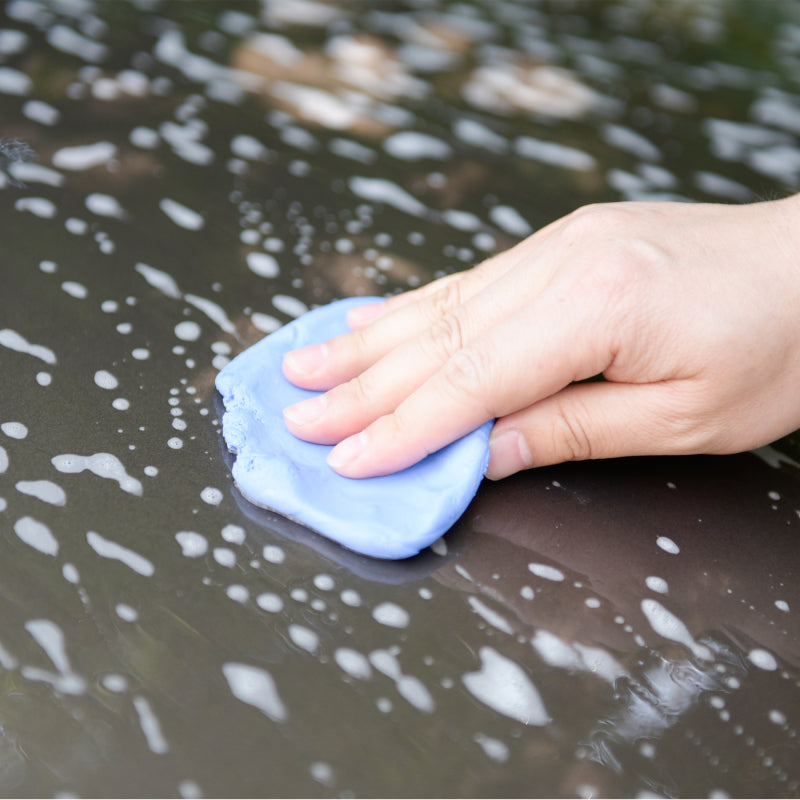
Step 4: Wipe Gently
Use light pressure and straight motions. No need to scrub aggressively.
Step 5: Rinse the Sponge Often
If it looks dirty, rinse it before touching the paint again.
Step 6: Clean After Use
Wash it and let it air dry so it stays safe next time.
These small habits protect your paint over time.

A Simple Comparison
Two drivers return from the same highway trip.
One wipes bugs off with a dry cloth.
The other uses a microfiber bug scrubber sponge and water.
A few days later, under sunlight, the first car’s bumper looks cloudy. The second still reflects clearly.
Same road. Same bugs. Different results.
Why This Matters for Long-Term Car Care
Paint is more than color. It’s a protective layer. Once it becomes scratched and thin, fading and oxidation happen faster. That leads to a car that looks older than it really is.
Safe cleaning tools are part of basic maintenance, just like oil changes or tire checks.
A microfiber bug scrubber sponge works best when paired with:
● Car shampoo
● Wash mitts
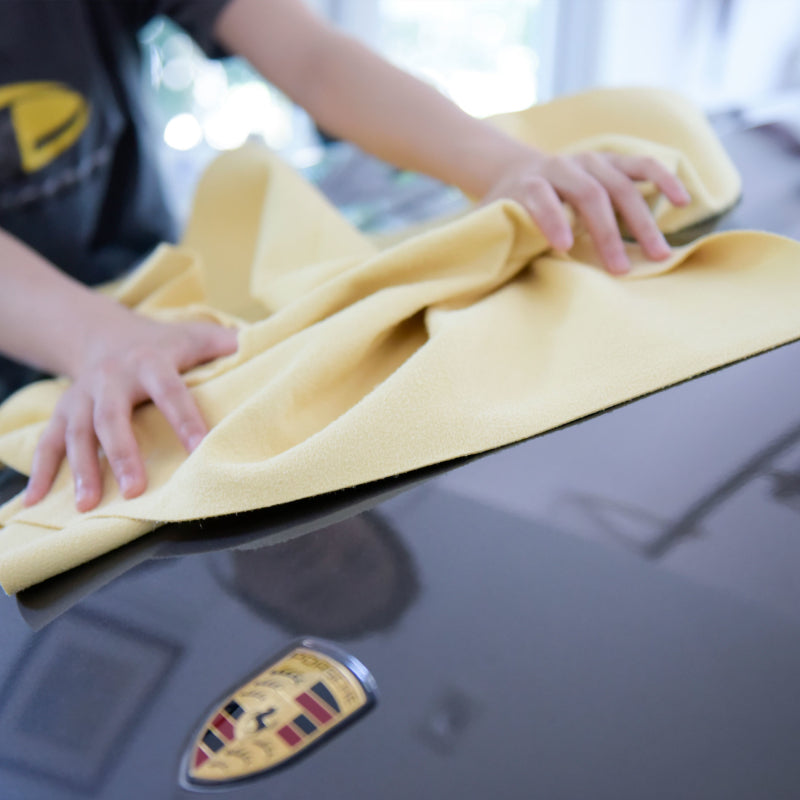
● Microfiber drying towels
Together, they form a gentle cleaning system instead of a risky shortcut.
A Small Tool That Makes a Big Difference
A microfiber bug scrubber sponge doesn’t look impressive at first glance. It’s not electronic. It’s not complicated. But it changes how you clean one of the most annoying messes on your car.
Instead of scraping and guessing, you wipe calmly.
Instead of dulling your paint, you protect it.
Over time, that means:
● Fewer scratches
● Better shine
● Clearer headlights
● Less frustration after long drives
And your car keeps its clean look longer.
A Smarter Way to Handle an Everyday Problem
You can’t avoid bugs on the road. That part is normal. But you can choose how you remove them.
A microfiber bug scrubber sponge offers a safer, smarter way to deal with something every driver faces. It doesn’t promise magic. It simply uses the right material for the job.
If you’ve ever worried about scratching your paint while cleaning bug stains, this small change makes sense. Sometimes, the difference between damage and care comes down to the tool in your hand.



Leave a comment